Concrete Retaining Walls vs Concrete Poured Walls: What’s the Difference?
People seeking to install concrete retaining walls or poured walls can rely on local contractors to choose the right type and ensure proper, durable installation.
If you're exploring options for enhancing your property's landscape or managing uneven terrain, understanding the differences between concrete retaining walls and concrete poured walls can be essential. Property owners in the area often consider these structures for purposes like preventing soil erosion, creating level outdoor spaces, or adding visual appeal. Knowing which type suits specific needs can help ensure the durability and functionality of the project. This page provides practical insights into each option, highlighting how local contractors specializing in retaining wall and concrete poured wall installation can assist in making informed decisions.
Deciding between concrete retaining walls and concrete poured walls involves considering factors such as structural purpose, aesthetic preferences, and site conditions. Whether you're interested in a sturdy barrier to hold back soil or a foundation for a larger construction, local service providers are equipped to handle both types of installation. Keep reading to learn more about the key differences, benefits, and applications of each, so you can better understand how these solutions might fit into your property improvement plans.
Get Quotes for Retaining Wall And Concrete Poured Wall Installation
- Retaining wall installation - needed when structural support is required to hold back soil on sloped landscapes, with local contractors customizing solutions for durability and aesthetics.
- Concrete poured wall installation - suitable for foundational or basement walls where seamless, monolithic concrete structures are preferred, with service providers ensuring proper reinforcement and finishing.
- Retaining wall services - selected for landscape or erosion control projects, with local pros designing and building walls that blend with existing terrain and meet stability needs.
- Concrete poured wall services - chosen for creating strong, continuous walls in basements or underground spaces, with contractors focusing on precision and long-term performance.
- Retaining wall and poured wall services - often compared when choosing between structural support options, with local experts helping determine the best approach based on project requirements.
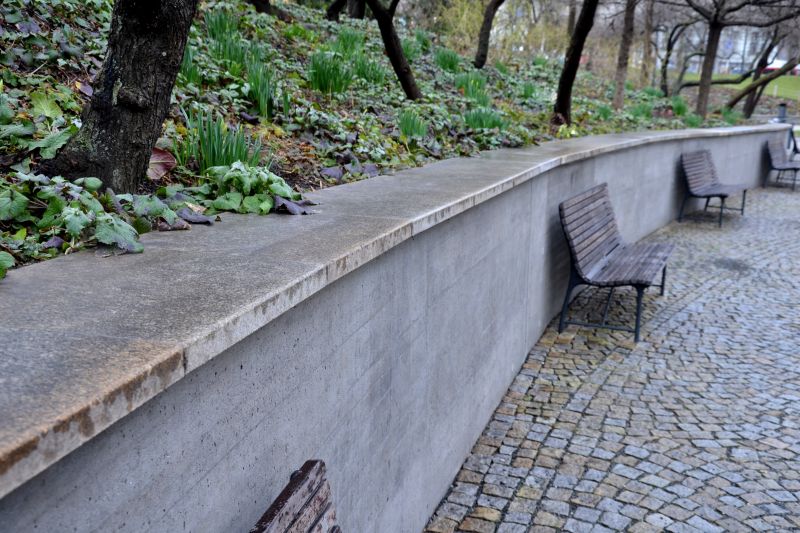
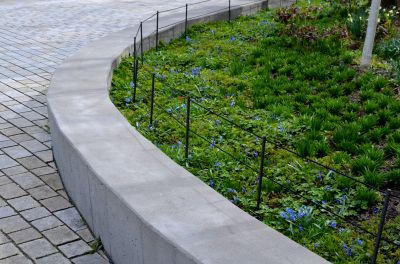
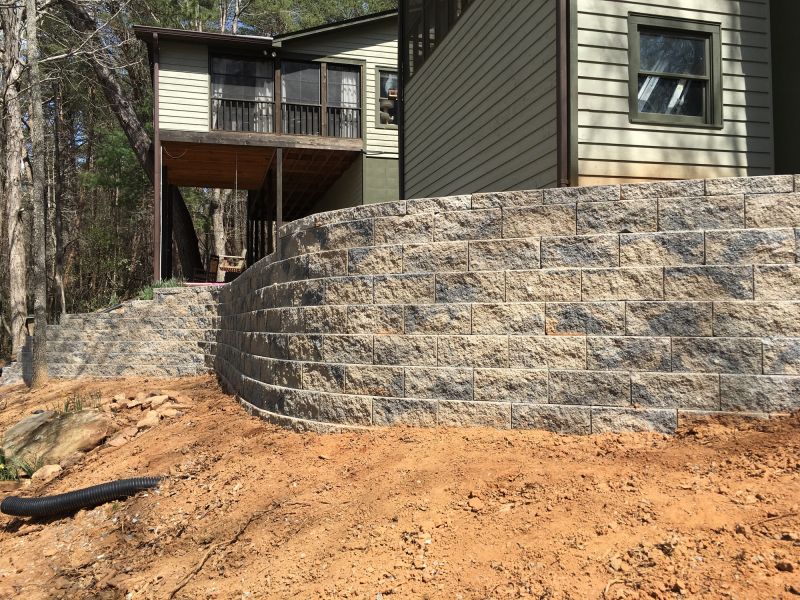
When homeowners search for information about concrete retaining walls versus concrete poured walls, they are often trying to understand the differences in design, purpose, and construction methods. Typically, this topic comes up during planning for landscape improvements, erosion control, or property expansion projects. Many are looking to stabilize sloped yards, create level areas for gardens or patios, or prevent soil from shifting around foundations. Understanding how each type of wall functions helps homeowners make informed decisions about which solution best suits their specific property and project goals.
Concrete retaining walls are usually built as standalone structures that hold back soil or other materials. They are often constructed using blocks, panels, or poured concrete forms that are assembled on-site. These walls are common in properties with uneven terrain, where the goal is to create terraced landscapes or prevent erosion on slopes. They tend to be visible features that also add aesthetic appeal, especially when designed with decorative finishes. Retaining walls are typically suitable for moderate to large-scale projects, especially when there is a need for structural stability in areas prone to soil movement.
Concrete poured walls, on the other hand, are cast directly on-site as continuous structures. They are often used for foundation walls, basement walls, or other structural components requiring a high degree of strength and durability. When compared to retaining walls, poured concrete walls are usually more seamless and monolithic, which can provide better water resistance and structural integrity for supporting entire buildings or large loads. These walls are common in residential and commercial properties where a solid, continuous barrier is needed, especially in areas with high water tables or where underground support is critical.
The types of properties that typically involve these different wall types vary based on the project’s scope and purpose. Concrete retaining walls are frequently found in hillside properties, gardens with terraced levels, or landscapes requiring erosion control. They are also popular in properties with sloped yards or uneven terrain that needs reshaping. Concrete poured walls are more common in homes with basements, retaining structures that support foundations, or commercial sites with underground parking or storage. Local contractors specializing in these installations can evaluate the property’s needs and recommend the most suitable approach, ensuring the project’s stability and longevity.
Garden wall construction - professionals experienced in concrete retaining walls and poured walls can design and build garden walls that enhance landscape stability and aesthetics.
Foundation repair services - local contractors skilled in concrete work can handle foundation stabilization projects that require expertise in poured concrete and retaining structures.
Slope stabilization projects - experts in retaining wall installation are equipped to prevent soil erosion and manage hillside grading effectively.
Commercial landscape walls - service providers can install durable concrete walls that support commercial property landscaping and structural needs.
Driveway and sidewalk paving - concrete pouring skills are essential for creating smooth, long-lasting driveways and walkways alongside retaining wall projects.
Bulkhead and seawall construction - local contractors can construct seawalls and bulkheads using similar concrete techniques to protect waterfront properties.
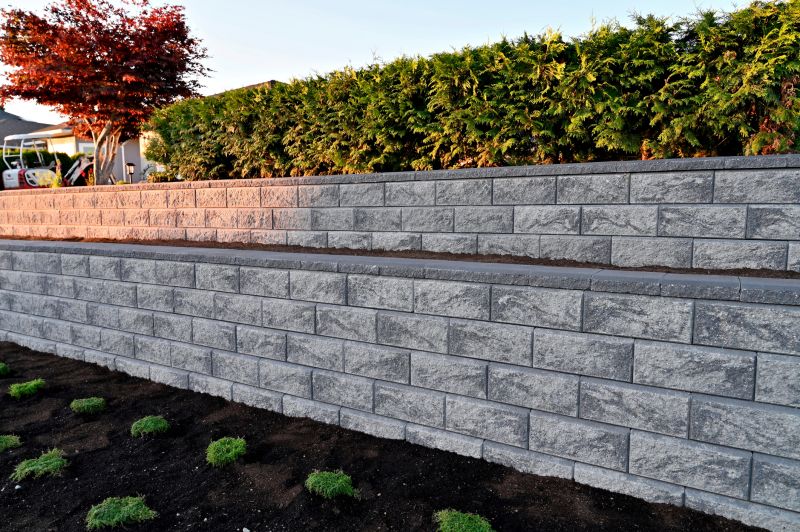
When comparing local contractors for concrete retaining walls versus concrete poured walls, it is important to evaluate their experience with similar projects. Contractors who have successfully completed comparable installations are more likely to understand the specific requirements and challenges associated with each type of wall. Asking about their past work can provide insight into their familiarity with the materials, design considerations, and construction techniques relevant to retaining walls or poured concrete walls, helping to ensure the chosen service provider has a proven track record in these areas.
Clear written expectations are essential when selecting a contractor for either type of wall installation. A detailed scope of work, including the materials used, project timeline, and specific responsibilities, helps prevent misunderstandings and sets a foundation for a smooth process. When comparing local service providers, it’s beneficial to review how they communicate project details and whether they provide comprehensive written estimates. This transparency can assist homeowners in understanding what to expect and ensure that the project aligns with their goals.
Reputable references and effective communication are key factors in choosing the right contractor. Asking for references from previous clients who had similar projects can offer valuable insights into the contractor’s reliability, quality of work, and professionalism. Additionally, good communication throughout the process-such as responsiveness to questions and clarity in explanations-can make the experience more straightforward. These qualities help ensure that homeowners feel confident in the contractor’s ability to deliver a successful installation of either concrete retaining walls or poured concrete walls.
Get a Quote for Retaining Wall And Concrete Poured Wall Installation
Property owners often search for concrete retaining walls vs concrete poured walls: what’s the difference? when they are planning practical projects around their homes and businesses. Local pros provide Retaining Wall and Concrete Poured Wall Installation services for everyday jobs and straightforward project options.
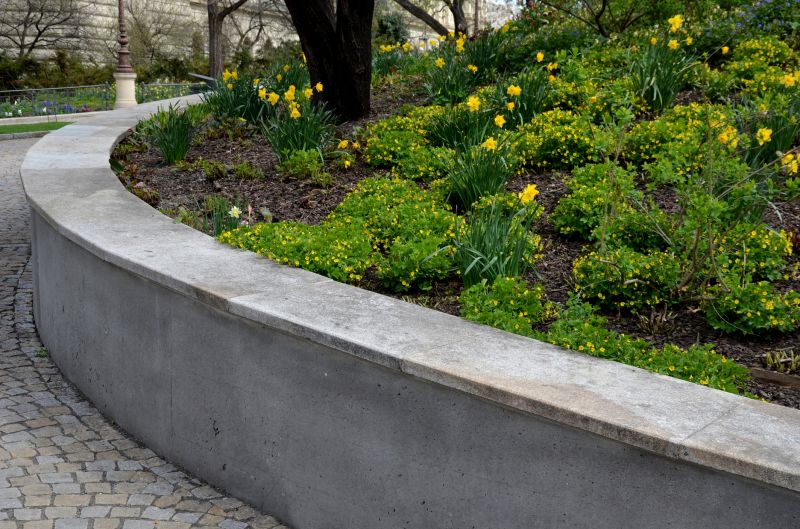
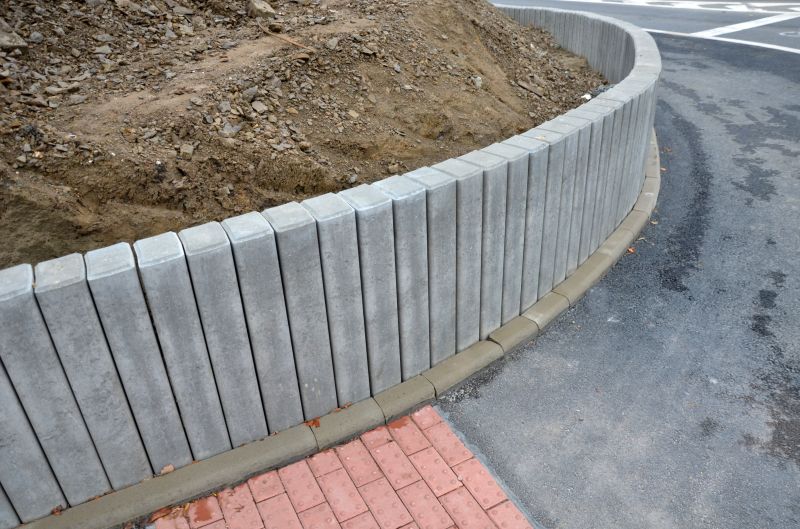
Property owners considering landscape or structural improvements often look into concrete retaining walls versus concrete poured walls to determine which option best suits their needs. Retaining walls are commonly chosen for their ability to hold back soil on sloped properties, creating level areas for gardens, patios, or driveways. They are often preferred for projects that require a decorative element or when managing uneven terrain, making them a practical choice for many residential or commercial properties in the area. Local contractors who specialize in retaining wall installation can help evaluate site conditions and recommend the most suitable style and materials to ensure stability and aesthetic appeal.
On the other hand, concrete poured walls are frequently used for foundational or structural purposes, such as basement walls or supporting large structures. They are designed to provide strength and durability, especially in situations where a seamless, continuous wall is needed. Property owners interested in poured walls often seek out local service providers for foundation work, basement finishing, or structural reinforcement. These professionals can assess the specific requirements of the project and provide expert installation that ensures long-term stability and performance, making poured walls a reliable option for foundational support and structural integrity.
Get a Quote for Retaining Wall And Concrete Poured Wall Installation
What is the main difference between concrete retaining walls and concrete poured walls? Concrete retaining walls are designed to hold back soil and are typically constructed with blocks or panels, while concrete poured walls are solid, monolithic structures often used for foundations or basement walls. Local contractors can help determine which type suits specific needs.
Are concrete retaining walls more decorative than poured walls? Yes, concrete retaining walls often offer more options for aesthetic finishes and styles, making them a popular choice for landscape features. Poured concrete walls tend to prioritize strength and durability for structural purposes.
Can local service providers install both concrete retaining walls and poured walls? Absolutely, experienced contractors can install both types, providing solutions tailored to the project’s requirements, whether for landscape support or structural foundation needs.
What factors influence whether to choose a retaining wall or a poured wall? Factors include the purpose of the wall, soil conditions, load-bearing needs, and aesthetic preferences. Local pros can assess these factors to recommend the most appropriate option.
Are maintenance needs different for concrete retaining walls versus poured walls? Generally, concrete retaining walls may require occasional repairs or reinforcement due to soil pressure, while poured walls are more maintenance-free but may need inspections for cracks or damage over time. Local contractors can advise on upkeep for each type.
Choosing the right wall type for hillside landscaping - property owners can work with local contractors to select between retaining walls and poured walls based on the slope and soil conditions of their yard.
Enhancing garden or patio spaces - local service providers can help design and install concrete retaining or poured walls that create level areas for planting or seating.
Preventing soil erosion and property damage - property owners can consult with local pros to install durable walls that stabilize the landscape and protect structures.
Creating custom garden features or raised beds - local contractors can craft concrete walls tailored to specific design ideas for functional and attractive outdoor spaces.
If you are thinking about concrete retaining walls vs concrete poured walls: what’s the difference? for a property, this guide is meant to help you understand this topic, the typical project types, and how different options might fit your plans.
When you are ready, you can use the quote form on this page to share a few details about your project. From there, local pros can review the basics and follow up with options that match what you have in mind.
Get a Quote for Retaining Wall And Concrete Poured Wall Installation